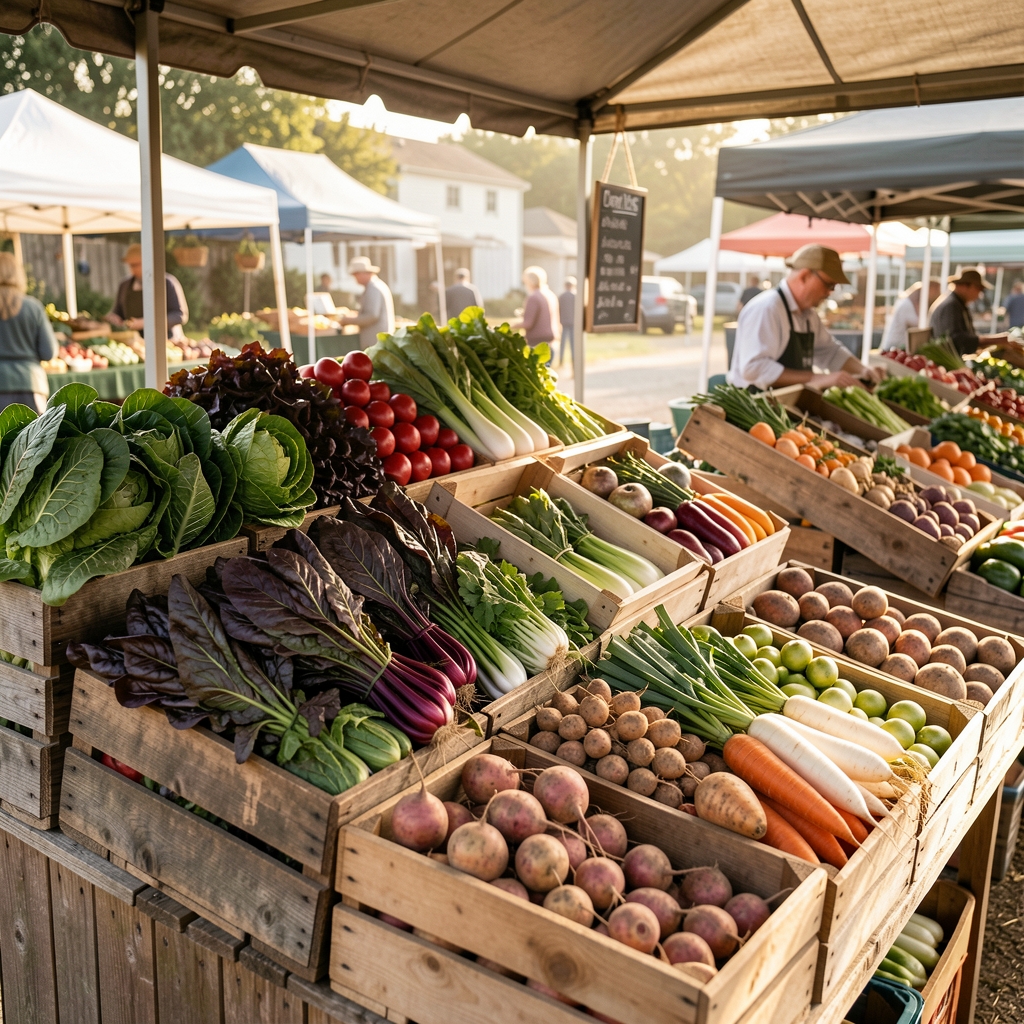
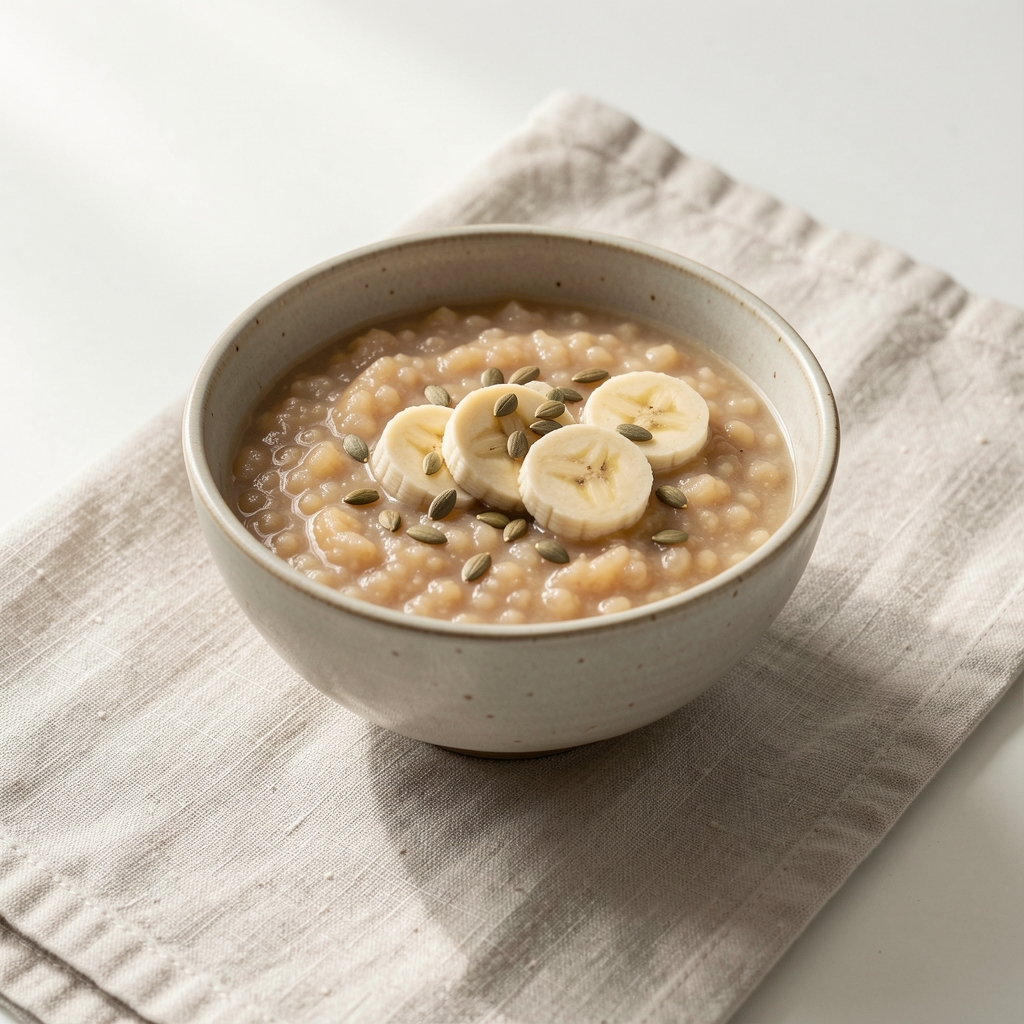
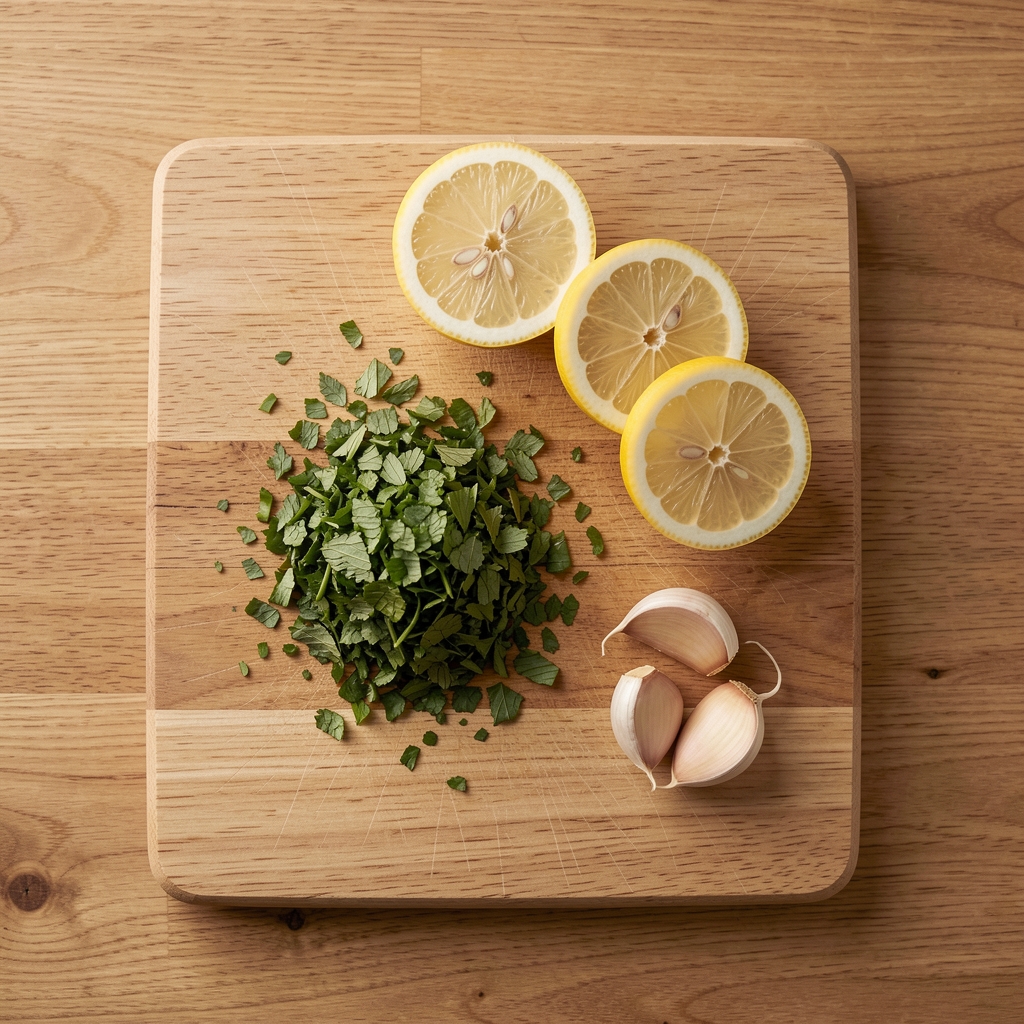
The Publication — Origin
Ostran Notebook began as a private record — a place to document observations on the relationship between ordinary food choices and the unhurried pace of a well-ordered week. It became a publication when the notes accumulated enough to be worth sharing.

FIG. 01 — Editorial desk, Old Compton Street, London
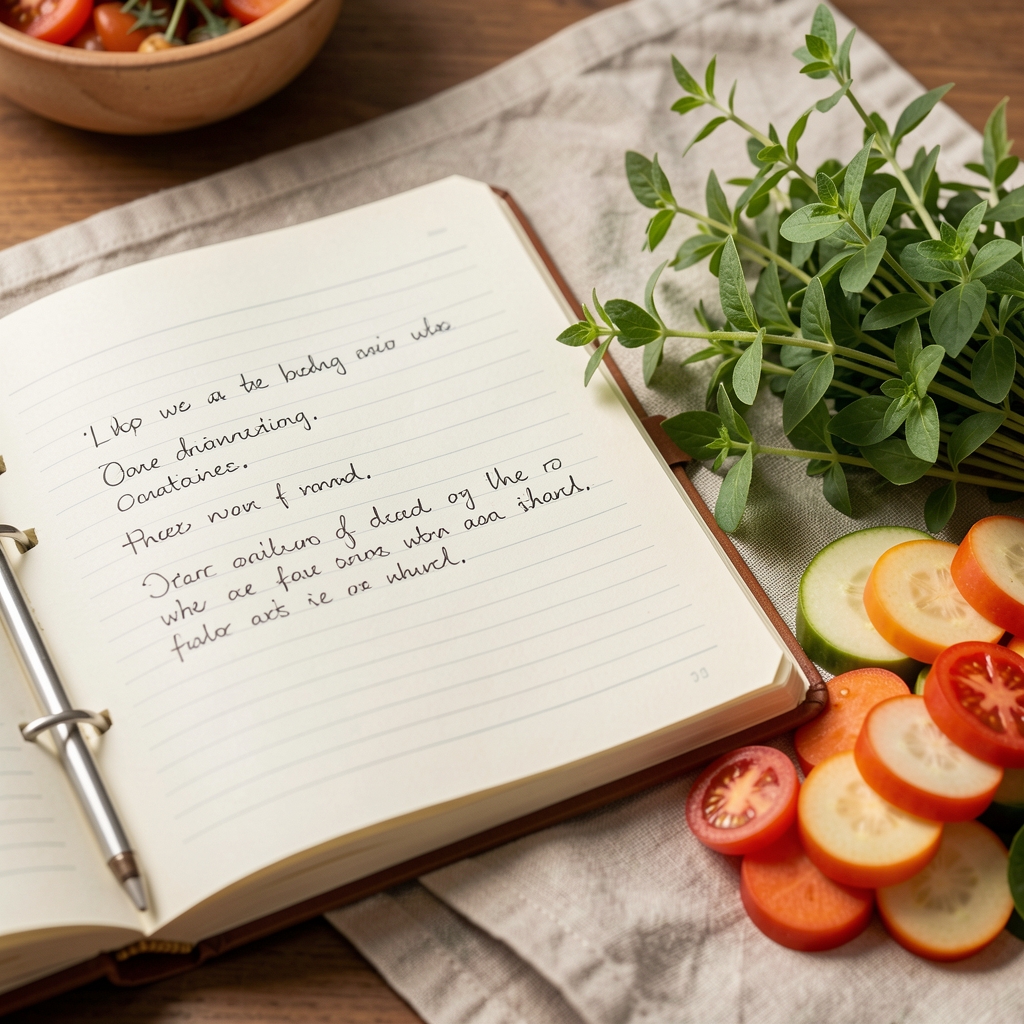
FIG. 02 — Kitchen journal entry, winter issue 2026
01 — Editorial Statement
The publication does not argue for a dietary philosophy. Its interest lies in the texture of everyday nutritional practice — how a household plans its weekly menu, how portion awareness settles into a habit, how the shift toward whole grains becomes unremarkable over time. These are small subjects, and they are treated with the attention they deserve.
Ostran Notebook operates as an independent editorial publication. It receives no commercial funding from brands, supplement companies, or the food industry. Writers are selected for their precision of observation and their ability to write about everyday food practices without slipping into advocacy or aversion.
Each article undergoes a second editorial review before publication. Sources are cited where they are drawn upon. Corrections are noted publicly. The publication holds itself to the same standards it would expect of any source it references.
02 — Guiding Principles
No article on Ostran Notebook is shaped by commercial interest. Writers document what they observe — in their kitchens, in published nutritional research, in the rhythm of a week — and nothing more. Advertorial content is not accepted.
Nutritional writing is prone to enthusiasm — for superfoods, for singular solutions, for dramatic before-and-after framing. Ostran Notebook prefers precision. An article about leafy greens describes what leafy greens are, when they are available, and how people incorporate them. It does not argue for them.
The publication publishes on a bi-weekly schedule. This pace is deliberate. Each article covers its subject with the depth a considered reading requires — typically 1,200 to 1,800 words — rather than arriving at conclusions in a list of bullet points.
Where claims about nutrition or dietary practice are made, sources are cited. Published nutritional guidelines, peer-reviewed studies on dietary habits, and verified data from established research bodies inform the editorial line. Personal opinion is marked as such.
03 — Contributors
Lead Editor
Eleanor Whitfield has written about food practice and nutritional communication for over a decade. Her work appears in a number of independent publications focused on sustainable dietary habits. She joined Ostran Notebook at its founding in 2022 and shapes both its editorial direction and its tone. She is based in Bloomsbury, London.
London, WC1N
Contributing Editor
Tobias Ashcroft writes on meal planning, kitchen economics, and the practical dimensions of dietary change. His editorial interests lean toward the structural — how a household organises its food week, how grocery planning intersects with portion awareness, and what the evidence says about sustained dietary habits over time.
London, EC1
Guest Contributor
Imogen Caldwell contributes occasional long-form articles on gut-friendly cooking, seasonal recipe practice, and the relationship between hydration habits and the daily routine. She trained in food communication and brings a particular attention to the sensory dimensions of everyday eating — the warmth of a breakfast bowl, the crispness of a winter salad.
London, E2
04 — Publication Record
Ostran Notebook published its inaugural article in the autumn of 2022 — a long-form piece on the seasonal kitchen and the case for whole-grain staples as a household constant. The issue circulated among a small editorial readership. Three further articles followed before the year's end.
The second year of the publication saw the formalisation of editorial standards — a two-editor review process, a sourcing policy, and a disclosure framework for contributing writers. These standards are published in the Methodology section and reviewed annually.
Coverage extended to include active lifestyle and energy balance topics, reflecting a wider editorial interest in the relationship between daily movement and nutritional rhythm. Contributing editor Tobias Ashcroft joined the publication in this period.
A dedicated series on gut-friendly recipes and seasonal cooking launched in early 2025, drawing on reader correspondence and market observation. Guest contributor Imogen Caldwell began writing for the publication during this period, bringing a refined attention to kitchen practice and sensory detail.
Ostran Notebook continues its bi-weekly publication schedule from its editorial base in Bloomsbury. The archive now contains 48 long-form articles across six thematic areas. The publication remains independent and continues to operate without commercial sponsorship.
“The best nutritional writing begins where advocacy ends. It describes what people actually do, not what they should do.”
Eleanor Whitfield — Lead Editor, Ostran Notebook
05 — From the Archive
06 — Correspondence
Ostran Notebook accepts pitches from writers with a demonstrated interest in nutritional communication and food practice. Unsolicited long-form submissions are reviewed quarterly.
Contact the Editorial Team